Game Introduction
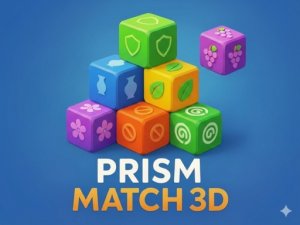
Prism Tile 3D Puzzle offers a fresh take on classic matching games. Players enter a vibrant three-dimensional space filled with colorful prism-shaped tiles. The main goal is to find and match pairs of identical tiles to clear the board. This game combines the logic of traditional tile-matching with the visual appeal of a 3D environment. Each level presents a new arrangement of tiles, often hidden behind others, encouraging players to rotate and explore the scene. The experience is designed to be calming yet mentally stimulating, making it suitable for quick breaks or longer play sessions. Players of all ages can enjoy the challenge without any stressful time limits. The game emphasizes observation and planning over speed, allowing everyone to progress at their own pace.
How to Play
To play Prism Tile 3D Puzzle, simply tap or click on two matching tiles to remove them from the board. The 3D view can be rotated and zoomed to reveal tiles that may be hidden behind others. Players must plan their moves carefully, as some tiles may be blocked until nearby matches are cleared. The objective is to clear all tiles from the level within a certain number of moves or a time limit. As players advance, new obstacles and tile arrangements appear, adding variety to the gameplay. The controls are intuitive, making it easy for beginners to start playing immediately.
Game Features
Prism Tile 3D Puzzle features colorful 3D graphics that bring the tiles to life. The gameplay is relaxing and allows players to play at their own pace. Each level offers a unique arrangement of tiles, ensuring that the experience stays fresh. The game may include various obstacles and power-ups that add strategic depth. It is suitable for all ages, providing a family-friendly activity for casual and dedicated puzzle fans alike. No downloads are required, as the game runs directly in a web browser.
Tips for Success
Take your time to explore the 3D view by rotating and zooming to find hidden tiles. Focus on matching tiles that are blocking others to open up new areas. Practice regularly to improve your pattern recognition and planning skills. If you get stuck, try a different approach or take a short break. Patience and careful observation are the keys to mastering the more challenging levels.